Lignin Industries introduces new thermoplastic elastomer product
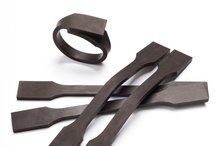
Iranpolymer/Baspar By replacing fossil raw content with bio-based content, Renol TPV achieves a groundbreaking 50% CO2 reduction in the end application compared to fossil-based TPV. A reduction of this size is crucial in decarbonising hard to abate sectors. Renol TPV comes in granular form and works well with both recycled and virgin resins. It integrates seamlessly into existing operations, meaning that no adjustments in process equipment are needed. The material has several applications including: moderate-temperature seals, bellows and protective covers, caps and closures, handles and grips as well as impact-absorbing surface infills.
Key benefits of the material:
● Fully functional with existing industrial set-up
● Enables up to 50% CO2 reduction in the end-product, by blending Renol TPV with either virgin or recycled thermoplastic elastomers
● Improved oil-resistance and reduced swell compared to conventional TPV, ensuring stable performance and product quality
● Does not hinder recycling of end applications and can be re-processed several times without losing the mechanical properties owing to antioxidant features
● Competitive price level in comparison to conventional TPV materials
As Europe responds to emerging regulatory pressures and policy – such as the EU Commission’s new Bioeconomy Strategy – deadlines for cutting fossil plastics and CO₂ emissions are fast approaching. Derived from secondary biomass and recyclable, Renol is a scalable solution and is commercially viable.
Lignin Industries currently works with PE, PP, and ABS plastics in addition to the new Renol TPV. Renol is already being tested in several sectors, including automotive applications with Lignin Industries’ partners such as Scania and is in late-stage trials for industrial equipment appliances. Lignin Industries is additionally part of ABB’s SynerLeap accelerator program, connecting leading industrial start-ups with relevant business units within ABB and its network, with the aim to integrate Renol as a CO2 reducer in their material portfolio. An example of PE applications is with the sustainable and recyclable E-Com packaging developed in collaboration with partners, such as Modepack.
interplasinsights