Two in three Brits are concerned about hidden plastics in food packaging
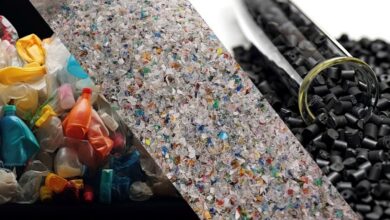
Iranpolymer/Baspar New research reveals there is growing public concern about the hidden plastics used to line paper and card food packaging as well as the use of PFAS in food packaging. PFAS, or ‘forever chemicals’, are persistent chemicals that are used in industrial processes and consumer products. National biomonitoring surveys have detected hundreds of synthetic chemicals, including PFAS, in people of all ages.
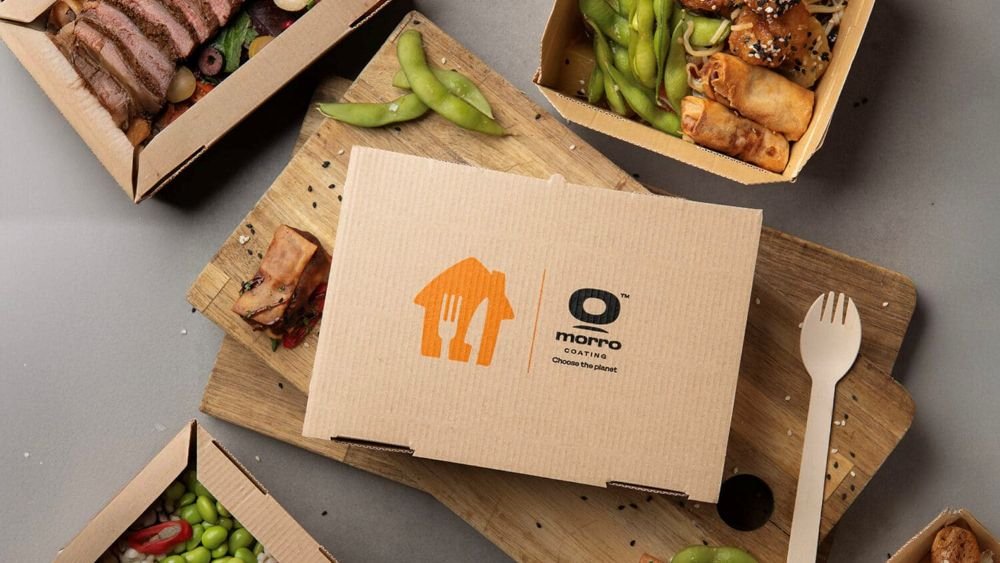
Businesses like Xampla have made developments that eliminate the need for plastic coatings in food packaging. The company’s Morro materials are made from plants and are free from plastics, microplastics, and PFAS, with the Morro Coating product range currently in market across Europe and being utilised by global brands like Just Eat Takeaway.
Two-thirds of people (65%) say they would opt for a takeaway utilising plastic-free packaging over one that isn’t. However, these plastics are difficult for the public to spot, with half of Brits (49%) saying they didn’t know many takeaway containers, like burger boxes and fry cartons, are plastic-lined.
Earlier this year, the Government published its first plan to assess the risks posed by PFAS. But eight in ten people (78%) believe the Government should be doing more to reduce the amount of plastic in food packaging. More MPs have backed calls to speed up the transition towards plastic-free packaging, as experts say plastic pollution could triple by 2060 if decisive action is not taken.
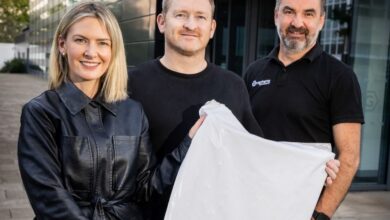
“Plastic Free July is a moment when many of us try to cut plastic out of our daily lives. This research shows just how hard this can be when so much of it is hidden in the packaging we use every day,” said Alexandra French, CEO of Xampla. “People are understandably concerned about what this means for their health, yet too often we have no way of knowing it is even there. Thankfully, plastic-free innovations such as Xampla’s plastic-free Morro materials offer high-performance alternatives, replacing plastic at scale to reduce packaging’s impact on our health. The opportunity now for policymakers and industry is to take advantage of emerging plastic-free solutions, making it even easier for the public to make informed choices.”
interplasinsights